Insulation Cost (2026 Pricing By Type & Project Size)
Upgrading your insulation is one of the most effective ways to cut energy bills and make your home more comfortable, but budgeting for it can feel confusing. Prices vary widely depending on the material, the area of your home, and the size of the job. Understanding insulation cost before you request quotes helps you plan with confidence, compare options fairly, and invest in upgrades that keep your home warm through every season. This guide breaks down 2026 pricing so you know exactly what to expect.
At a glance, this guide covers:
- Why understanding pricing protects your budget
- Eight insulation types and their typical costs
- The factors that raise or lower your quote
- Budget ranges by area and project size
- Answers to common pricing questions
Why Knowing Your Numbers Up Front Pays Off
Insulation is a long-term investment, and the cheapest quote is not always the best value. When you understand typical price ranges, you can spot quotes that seem too low to be thorough or too high for the scope of work. National insulation pricing data is a helpful starting point, but your final number will depend on your home, your goals, and local labor rates.
For homeowners in De Pere and surrounding areas, where long heating seasons make insulation especially valuable, a little cost knowledge goes a long way. Here is why it matters:
- Smarter comparisons: Knowing per-square-foot ranges helps you evaluate quotes side by side and ask better questions.
- Better material choices: Seeing how costs and performance line up lets you match the right product to each area of your home.
- Realistic budgeting: Planning for additional costs like damaged insulation removal or air sealing prevents surprises once work begins.
- Stronger return on investment: Spending wisely on the right upgrades leads to faster payback through lower heating and cooling bills.
Pricing knowledge turns a confusing decision into a clear plan. With the basics in hand, you can focus on the options that fit both your home and your budget.
8 Insulation Types and What Each Costs in 2026
Comparing insulation types is easier when you see how each one’s price lines up with its performance and best use. The ranges below reflect typical installed costs per square foot in 2026, including material costs and labor, though actual pricing varies by region, thickness, and job complexity.
1. Fiberglass Batt and Roll Insulation
Fiberglass insulation in batt or roll form is the most familiar and budget-friendly option. It works well in open wall framing, floors, and along the attic floor. Installing batt insulation correctly means cutting it to fit around electrical wiring rather than compressing it.
- Typical cost: about $0.30 to $1.50 per square foot
- Best for: new construction, remodels, and open framing
2. Blown-In Fiberglass
Blown in insulation made from fiberglass is installed with specialized equipment, making it a go-to choice for blown in attic insulation. It fills irregular spaces and around obstructions more evenly than batts.
- Typical cost: about $0.50 to $1.50 per square foot
- Best for: open attics and topping off existing insulation
3. Blown-In Cellulose
Cellulose insulation is made largely from recycled paper treated for fire resistance. It packs densely, which helps reduce air movement in attics and closed walls.
- Typical cost: about $1.00 to $2.40 per square foot
- Best for: attics and dense pack cellulose in existing walls
4. Mineral Wool
Mineral wool costs more than fiberglass but adds excellent fire resistance, sound control, and moisture tolerance.
- Typical cost: about $1.40 to $4.00 per square foot
- Best for: basements, interior walls, and areas near heat sources
5. Open-Cell Spray Foam
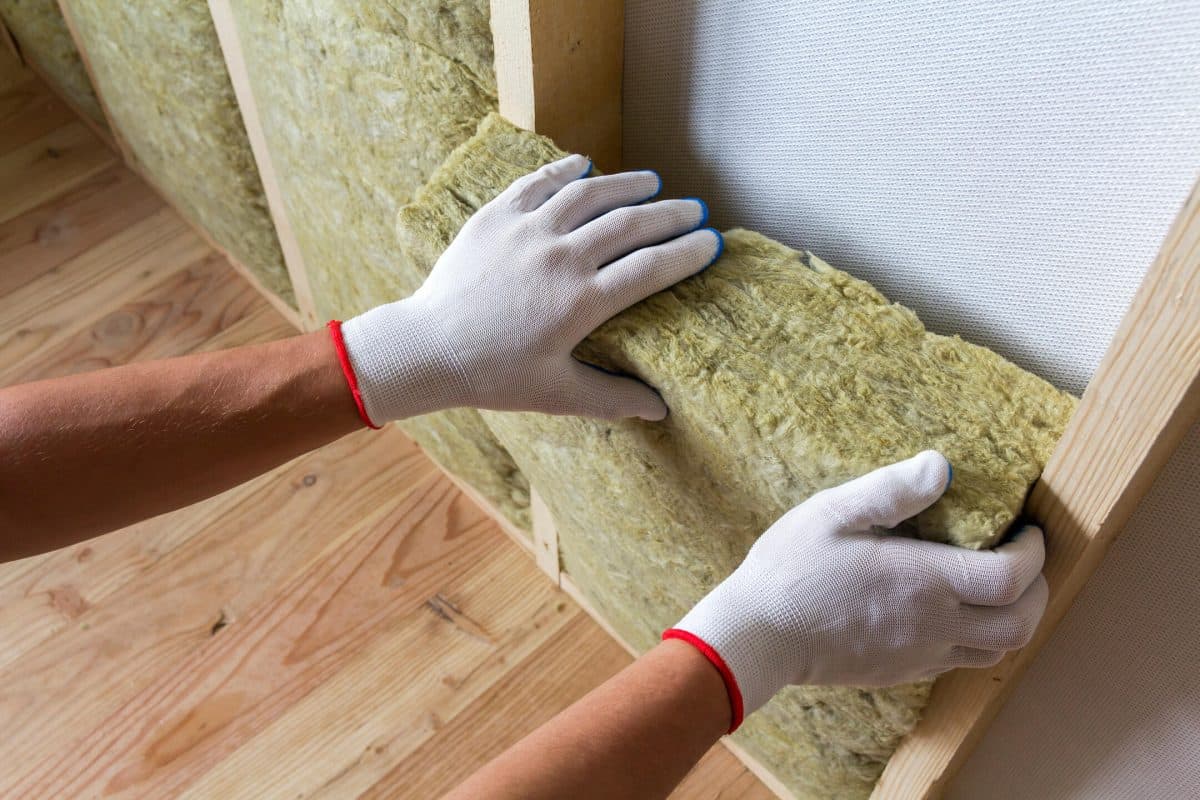
Open-cell spray foam insulation expands to fill cavities completely and creates an effective air seal at a lower price than closed-cell foam.
- Typical cost: about $1.00 to $2.00 per square foot
- Best for: the underside of the roof deck and interior walls
6. Closed-Cell Spray Foam
Closed-cell foam delivers the highest thermal resistance per inch and doubles as a moisture barrier, which makes it a premium option.
- Typical cost: about $2.00 to $5.00 per square foot
- Best for: rim joists, basement walls, and crawl spaces
7. Rigid Foam Board
Foam board insulation adds continuous insulation over wall framing or foundation walls, helping reduce heat transfer through studs and concrete.
- Typical cost: about $0.50 to $3.00 per square foot, depending on thickness
- Best for: foundations, basement walls, and exterior sheathing
8. Radiant Barrier
Radiant barriers reflect heat rather than slow it down, so they help most with summer cooling costs in attics.
- Typical cost: about $0.10 to $0.95 per square foot
- Best for: supplementing attic insulation, not replacing it
Each material has trade-offs between upfront cost and long-term performance. The best choice often combines two or more types, matched carefully to different parts of the home.
What Drives the Price of Your Insulation Project
Two homes of the same size can receive very different quotes. That is because several factors beyond the material itself shape the total cost of an insulation project.
- Area being insulated: Open attics are usually the most affordable to insulate, while wall insulation in existing walls costs more because installers must work through small holes or remove drywall.
- Target R-value: R-value measures resistance to heat flow, and colder climates require a higher recommended R-value. Wisconsin’s climate zone often calls for more material, which raises the total.
- Accessibility: Tight crawl spaces, low-pitched attics, a small attic hatch, and cluttered basements take more time and labor.
- Old insulation removal: Taking out damaged, wet, or pest-contaminated insulation typically adds about $1.00 to $2.00 per square foot.
- Air sealing: Sealing air leaks before insulating adds some cost but protects the performance of your new insulation.
- Project minimums: Many contractors charge a minimum fee, so very small jobs often cost more per square foot than larger ones.
Understanding these factors helps you see why quotes differ and where there may be room to adjust. Asking for a detailed estimate that explains each line item also makes it easier to compare bids accurately.
Insulation Cost by Area and Project Size
Looking at the cost to insulate each area of the home often makes budgeting easier than thinking in square feet alone. The ranges below are typical national estimates, and local pricing in De Pere and surrounding areas may land higher or lower depending on the job. An attic insulation cost calculator can offer a rough starting point, but real-world pricing depends on your home.
| Project Area | Typical Cost Range | Notes |
| Attic (1,000 sq ft) | $1,500 to $3,500 | Blown-in is the most common choice |
| Exterior walls (retrofit) | About $1.75 to $3.50 per sq ft | Blown or injected through small holes |
| Basement walls | $1,000 to $5,000 | Varies with size and material |
| Crawl space | About $1.00 to $4.50 per sq ft | Moisture control adds value |
| Whole home (2,000 sq ft) | $3,000 to $10,000 | Depends heavily on materials and scope |
Ways to Stretch Your Insulation Budget
You do not have to tackle the whole house at once to see results. A few smart strategies can help you get more value from every dollar:
- Start with the attic: Attic insulation cost is modest compared to wall work, and blown in insulation cost per square foot is among the lowest of any option.
- Bundle projects: Insulating several areas in one visit can lower per-square-foot labor costs.
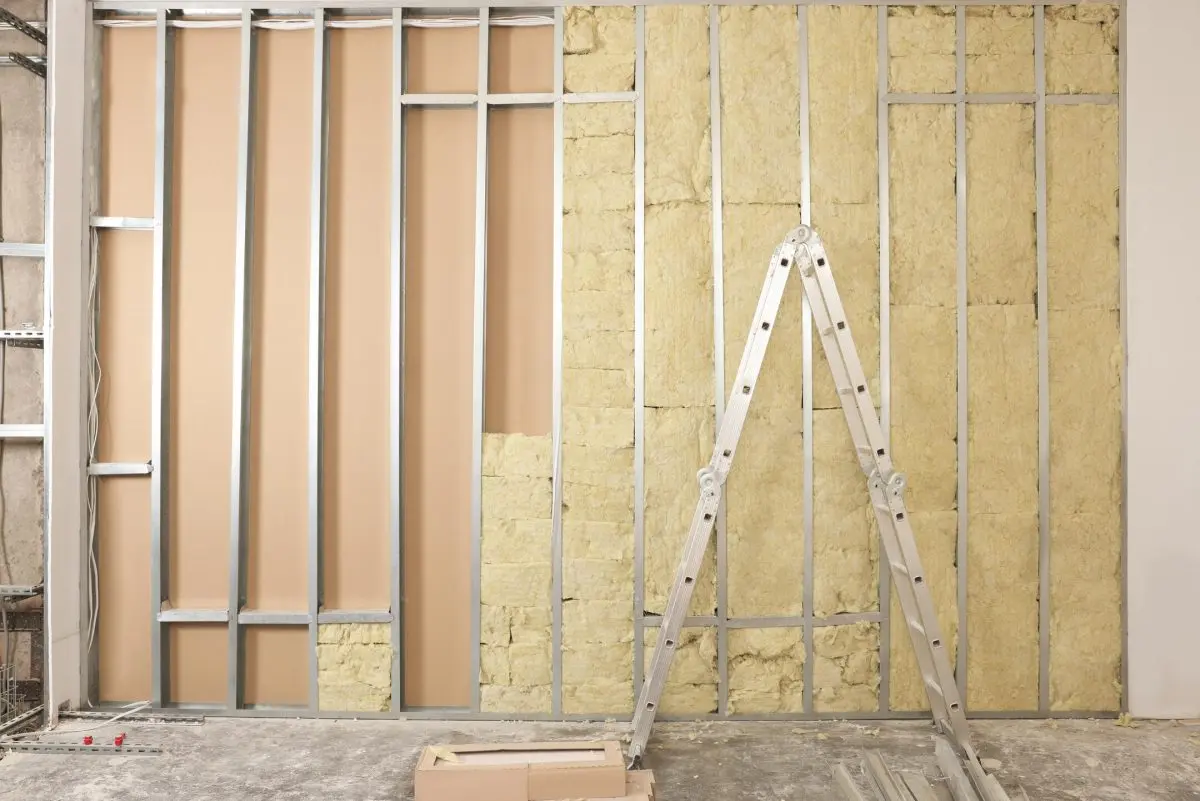
- Time it with renovations: Insulating while walls are open is far cheaper than retrofitting later.
- Check for incentives: Wisconsin’s Focus on Energy program and local utilities may offer rebates for qualifying insulation upgrades. The federal energy efficiency tax credit for insulation ended after 2025, so local programs matter more this year.
Planning in phases lets you spread costs over time while still enjoying lower bills from the first upgrade. A professional assessment can help you decide which areas to tackle first for the biggest impact.
Frequently Asked Questions About Insulation Cost
Pricing questions are some of the most common ones homeowners ask before starting a project. Here are straightforward answers to help you plan.
Is it cheaper to add insulation or replace it?
Adding new insulation on top of existing material is usually cheaper because it avoids removal costs, and it raises your total R-value. Replacement makes sense only when the old insulation is wet, moldy, compressed, or contaminated by pests.
How long does it take for insulation to pay for itself?
Payback depends on how much insulation you already have, energy prices, and the upgrade you choose. Attic upgrades in poorly insulated homes often pay for themselves within a few years through lower heating bills.
Is spray foam worth the higher cost?
Spray foam costs more upfront, but it provides both insulation and air sealing in one step. It is often worth it for rim joists, basements, and hard-to-seal areas, while blown insulation may be a better value in open attics.
Can I save money by installing insulation myself?
DIY installation can lower labor costs for simple jobs like laying batts in an open attic. Some homeowners try DIY blown in insulation with rented machines, but installing blown in insulation evenly is harder than it looks, and poor insulation installation reduces performance. Spray foam requires professional equipment and training.
Why do insulation quotes vary so much?
Quotes differ based on project cost factors like materials, R-value targets, prep work, air sealing, and how thoroughly each contractor plans to complete the job. Homeowners in De Pere and surrounding areas should compare the full scope of each quote rather than the price alone.
If you have more questions about pricing, a local insulation professional can walk you through options specific to your home. A quick on-site visit often clears up uncertainty and gives you an accurate estimate.
Get an Accurate Estimate for Your Home
Insulation cost depends on far more than a single price per square foot. When you understand the materials, the factors that influence pricing, and where your home needs help most, you can invest with confidence and enjoy lasting comfort and savings.
Hometown Insulation helps families in De Pere and surrounding areas find the right insulation solution at a fair, transparent price. Our team will assess your home, explain your options clearly, and recommend upgrades that fit your goals and your budget. Ready to find out what your project will cost? Contact us today to schedule your consultation.