
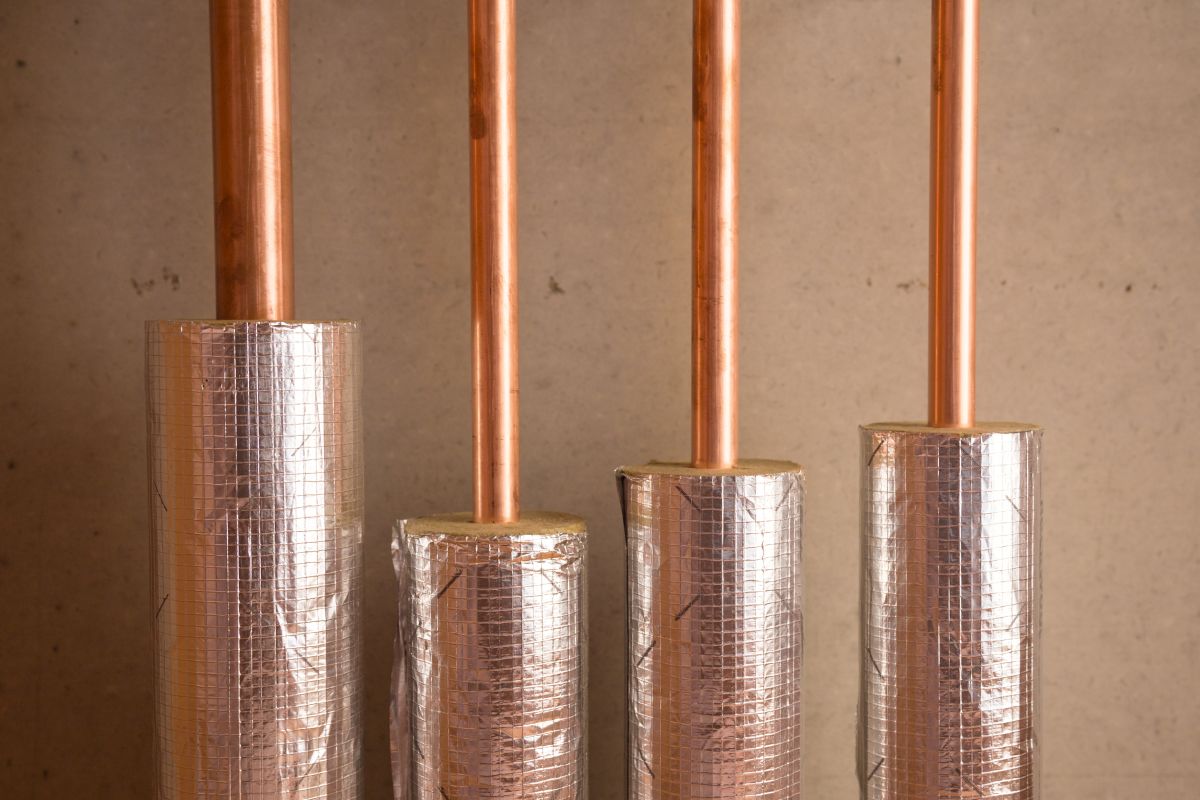
Water Pipe Insulation (Why It Matters & How To Do It)
A single frozen pipe can turn a quiet winter night into thousands of dollars in water damage, and Wisconsin winters give pipes plenty of chances to freeze. Water pipe insulation is one of the simplest, most affordable ways to protect your plumbing, cut wasted energy, and get hot water to your faucets faster. It works best as part of a broader effort toward keeping your entire home warm and protected, but even on its own, it can make a noticeable difference in comfort and peace of mind.
In this guide, you will find:
- Why insulating pipes pays off year round
- A seven-step process for insulating pipes the right way
- How to choose the best material for each pipe
- Signs it is time to look beyond the pipes themselves

What Insulating Your Pipes Really Protects
Most homeowners think of pipe insulation as a winter-only task, but its benefits stretch through every season. Insulation acts as a buffer against temperature fluctuations, helping your plumbing systems run more reliably all year. Bare pipes lose heat in the cold months, sweat in the humid months, and sit exposed to temperature swings in the parts of the house you rarely visit.
- Freeze protection: When water freezes, its expansion can split a copper or PVC pipe or loosen a fitting, leading to flooding once it thaws.
- Energy efficiency: Better heat retention means less energy loss. According to the Department of Energy, insulated hot water lines can deliver water roughly two to four degrees warmer than bare pipes, which may let you lower your water heater setting.
- Faster hot water: Less heat lost along the way means a shorter wait at the shower or sink, which also saves water.
- Condensation control: Cold water lines often sweat in summer, and that dripping moisture can lead to moisture damage, stained drywall, and mold.
If you have been meaning to start insulating your pipes but have not found the time, fall is the ideal season to tackle it. For homeowners in Eau Claire and surrounding areas, finishing the job before the first hard freeze can prevent the kind of emergency call nobody wants to make in January.
7 Steps To Insulate Water Pipes the Right Way
Insulating pipes is a manageable project for many homeowners, especially when the pipes are easy to reach. Following these steps in order helps you get full coverage without gaps that leave weak spots behind.
1. Find the Pipes That Need Protection
Start by walking through the colder and less-used parts of your home. Pipes are most vulnerable where they run through unheated or poorly insulated spaces.
- Crawl spaces and unfinished basements
- Attached garages and attics
- Exterior walls and rim joists
- Under sinks on outside walls
2. Prioritize Supply Lines
If you cannot insulate everything at once, focus on supply pipes first. These lines carry pressurized water into the home and cause the most damage if they burst. Hot water lines leaving the water heater are the next priority for energy savings.
3. Measure Length and Diameter
Use a tape measure to note the length of each run and the outside pipe diameter. Copper and PVC lines of the same nominal pipe size can have different outside diameters, and sleeves are sized to match, so an efficient fit matters more than most people realize. A loose sleeve lets cold air slip in and reduces the insulation’s effectiveness.
4. Clean and Dry the Pipes
Wipe away dust, grease, and cobwebs before installing anything. Adhesive seams and tape will not hold well on dirty or damp surfaces, and trapped moisture under insulation can lead to corrosion over time.
5. Install the Insulation Sleeves
Slide pre-slit foam or rubber sleeves over each straight section of pipe. Press the seam closed, peel back any adhesive strip, and secure it firmly so there are no openings along the length. A tight seal improves durability and keeps the insulation in place for years.
- Butt the ends of each section tightly together
- Tape joints between sections with insulation or foil tape
- Avoid compressing the insulation, which lowers its R-value

6. Cover Elbows, Tees, and Valves
Fittings are where many DIY jobs fall short. Cut sleeve ends at a 45-degree angle to wrap elbows neatly, and use small notched pieces or pipe wrap to cover tees and valves. Leaving even a few inches exposed can be enough for a pipe to freeze in extreme cold.
7. Inspect and Seal Surrounding Air Leaks
Once the pipes are covered, look at where they pass through walls, floors, and rim joists. Gaps around those openings let frigid outdoor air pour directly onto your plumbing. Sealing these leaks often does as much to prevent freezing as the pipe insulation itself.
Taking your time with each step makes the finished job far more reliable. A carefully insulated system with sealed penetrations will hold up through many winters with very little maintenance.
Choosing the Best Pipe Insulation Material
Not every pipe needs the same type of insulation. Choosing the right insulation depends on the thermal requirements of the line, whether it carries hot or cold water, how much space surrounds it, and how harsh the environment is where it runs. Most insulation products are designed for specific applications, and price varies widely between them.
Polyethylene Foam Sleeves
Pre-slit foam tubes are lightweight, inexpensive, and widely available, and their easy installation makes them ideal for DIY projects. Their low thermal conductivity slows heat transfer on most cold water lines and moderate-temperature hot water lines, making them the go-to choice for many residential projects.
Rubber or Elastomeric Sleeves
These flexible sleeves cost a bit more but offer better thermal performance and handle higher temperatures. Their closed-cell structure resists moisture infiltration and acts as its own vapor barrier, which makes them a strong option for cold water pipes that tend to sweat.
Fiberglass Pipe Insulation
Fiberglass pipe insulation handles high temperatures well and is commonly used on hot water lines near the water heater to minimize heat loss. Many fiberglass pipe insulation products come with a factory-applied jacket, and a vapor barrier is essential on cold lines to prevent moisture absorption, which reduces performance.
Jacketed Insulation for Outdoor Applications
Pipes that run outdoors face sunlight, wind, and rain. Standard foam can break down under UV exposure, so outdoor applications call for weather-resistant jackets or UV-rated insulation that will maintain its performance and extend its lifespan.
Heat Cable Under Insulation
In the coldest spots, such as a crawl space exposed to wind, insulation alone may not be enough. Self-regulating heat cable installed under the insulation adds a layer of active freeze protection. Always follow the manufacturer’s instructions and use products rated for this purpose.
Matching the material to the location keeps your pipes protected without overspending, and the right choice can make a big difference in how long the insulation lasts. In many homes, a combination of foam sleeves for most runs and upgraded materials for problem areas strikes the right balance.
When Pipe Insulation Is Not Enough on Its Own
Pipe sleeves protect the plumbing, but they cannot fix a cold space. If the area around your pipes regularly drops near freezing, the real problem is often missing or worn-out insulation in the building itself.
- Recurring frozen pipes: If the same line freezes year after year, the surrounding wall, floor, or rim joist likely needs attention.
- Cold floors above crawl spaces: Chilly floors are a sign that heat is escaping downward, leaving pipes below exposed to outdoor temperatures.
- Drafts near plumbing: Air leaks around penetrations and sill plates can overpower even well-insulated pipes.
- Frost or moisture on framing: Visible frost in winter or damp wood in summer points to air leakage and humidity issues that can threaten the structural integrity of the framing over time.
Insulating rim joists, crawl space walls, and attics keeps the temperature around your plumbing more stable, which reduces the strain on your pipes and even helps your HVAC systems run more efficiently. Homes in Eau Claire and surrounding areas see long stretches below zero, so addressing the building envelope is often the most dependable way to keep water flowing all winter.

Frequently Asked Questions About Water Pipe Insulation
Pipe insulation is straightforward, but homeowners still have plenty of practical questions before they start. Here are quick answers to some of the most common ones.
Should I insulate both hot and cold water pipes?
Yes, in most cases. Hot water pipes benefit from reduced heat loss and energy savings, while cold water pipes benefit from freeze protection and less summer condensation.
Will insulation alone keep my pipes from freezing?
Insulation slows heat loss, but it does not generate heat. In very cold or drafty areas, it should be paired with air sealing, better building insulation, or heat cable to prevent freezing.
How long does pipe insulation last?
Quality foam and rubber sleeves can last many years when they stay dry and undisturbed. Check them periodically for cracks, gaps, or pest damage and replace any damaged sections, which goes a long way toward extending their life.
Can I insulate pipes inside finished walls?
Pipes inside finished walls are hard to reach without opening the drywall. Improving the wall’s insulation or sealing air leaks from the outside or an adjacent space is often a more practical solution.
When is the best time to insulate pipes?
Early fall is ideal because you can finish the work before freezing temperatures arrive. That said, insulating any time of year still delivers energy savings and condensation control.
If your situation does not quite match these answers, an insulation professional can take a closer look. A quick evaluation can reveal whether your pipes simply need sleeves or whether the space around them needs more help.
Keep Your Plumbing Protected This Winter
Water pipe insulation is a small investment that guards against frozen pipes, wasted energy, and costly water damage. When it is paired with a well-insulated, properly sealed home, your plumbing stays protected no matter how cold the forecast gets.
Hometown Insulation has spent more than 15 years helping homeowners and businesses in Eau Claire and surrounding areas keep cold air out and comfort in. If you want help identifying weak spots around your pipes or improving the insulation in your crawl space, basement, or attic, contact us today to schedule an evaluation with our team.